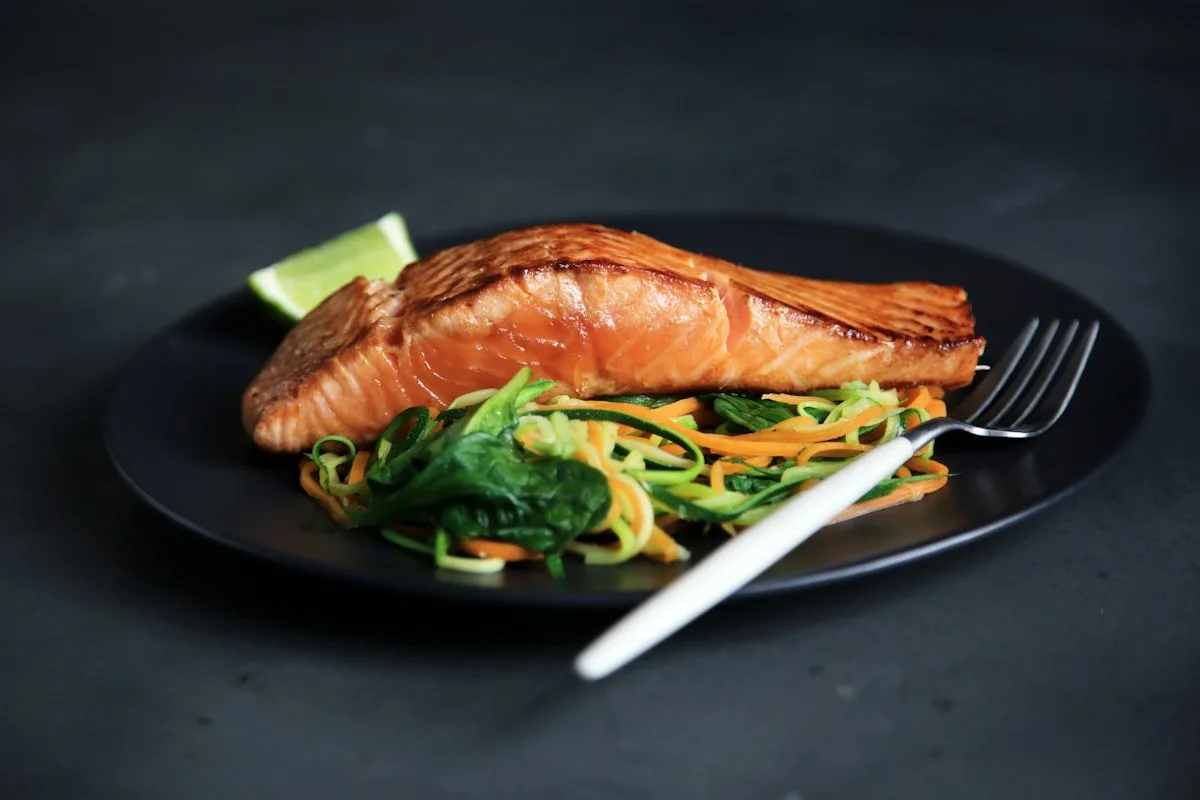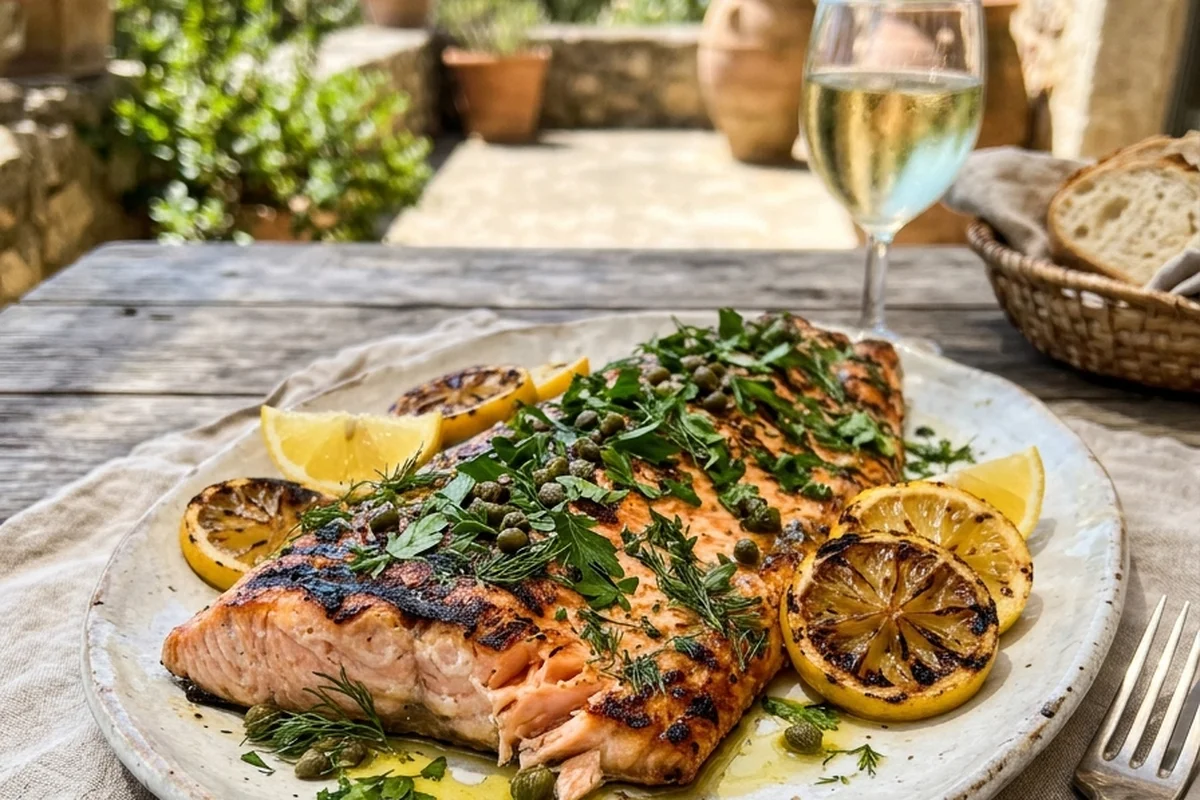
Flaky pan-seared or grilled wild Atlantic salmon fillets topped with garlic butter, capers, fresh dill, lemon zest, and a side of Mediterranean cucumber tzatziki. Tested extensively in our home test kitchen, this dish pairs authentic, deep culinary technique with accessible weeknight timing.
Why This Recipe Works (Culinary Science & Test Kitchen Secrets)
- Balanced Flavor Foundations: Carefully calibrated seasonings ensure that every layer harmonizes without overpowering the core fresh ingredients.
- Precise Heat Control: Cooking at targeted temperatures locks in natural moisture while developing an exquisite, golden crust or glossy reduction.
- Foolproof Proportions: Repeatedly tested to guarantee repeatable, restaurant-quality results for both beginners and experienced home chefs.
Frequently Asked Questions (FAQ)
Can I cook this salmon in a grill pan or cast iron skillet indoors? expand_more
Yes! Heat a cast iron skillet or ribbed grill pan over medium-high heat with 1 tablespoon of olive oil. Sear flesh-side down for 4 minutes, flip to skin side, and cook 3 to 4 minutes until done.
How do I prevent salmon skin from sticking to the grill? expand_more
Ensure grill grates are thoroughly cleaned and oiled while screaming hot, and make sure the salmon skin is patted completely dry before placing it on the grill.
What temperature should grilled salmon be cooked to? expand_more
Remove salmon from the heat when an internal meat thermometer reads 125°F to 130°F for medium doneness. The fish will carry over to 135°F while resting, leaving it moist and flaky.
Can I make this dairy-free? expand_more
Yes! Replace the Greek yogurt in the sauce with mayonnaise, unsweetened coconut yogurt, or tahini paste thinned with lemon juice and water.
Is farm-raised or wild salmon better for grilling? expand_more
Both work well. Farm-raised Atlantic salmon has higher intramuscular fat, making it more forgiving against overcooking; wild Alaskan salmon has firmer texture and deeper color.